
Author: Shohei Hayashi, sales manager
Technical review: Yusuke Murata, R&D manager
Quick overview
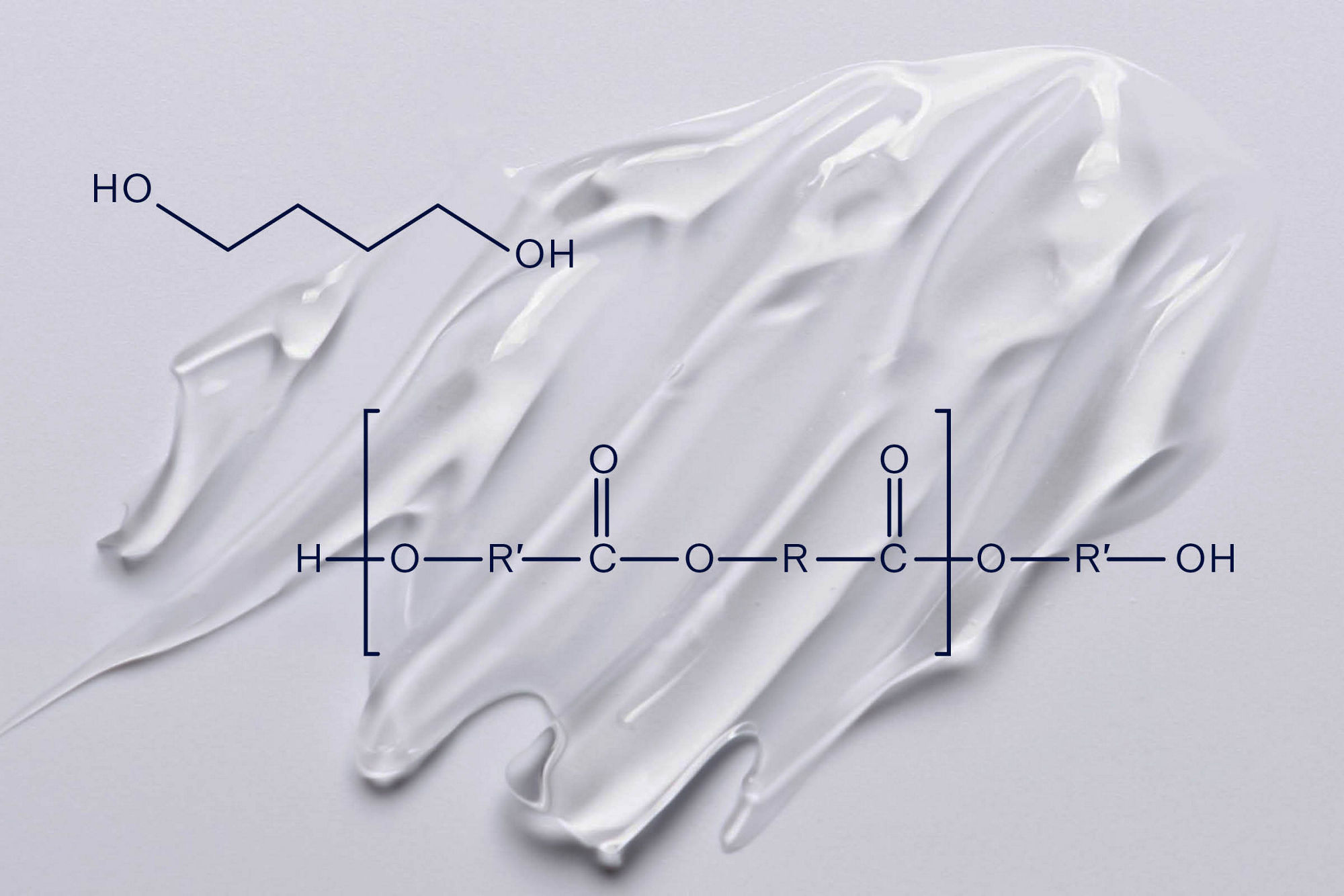
Polyols are predominantly used in the production of polyurethane, a polymer that serves as the base of soft and rigid foams, elastomers, adhesives, sealants, and coatings. Polyols also serve many functions beyond polyurethane production, acting as chain extenders, crosslinking agents, plasticizers, humectants, resins, and even low-calorie sweeteners.
This versatile class of compounds comes in a variety of types and molecular weights that can be tailored according to their intended use. The most common are polyether polyols and polyester polyols.
Why polyols matter in product performance
Polyols are a key determinant of product performance, whether used as a base in polymer production or as an additive. The molecular weight, composition, and functional groups of the polyol directly influence factors such as softness, durability, flexibility, hydrolysis resistance, and heat resistance.
Polyol choice also impacts key processing and sustainability targets, including cost, availability, processability, solvent compatibility, VOC levels, and bio-based content. Choosing the right polyol for an application is the first step to a high-quality and economical final product.
Properties
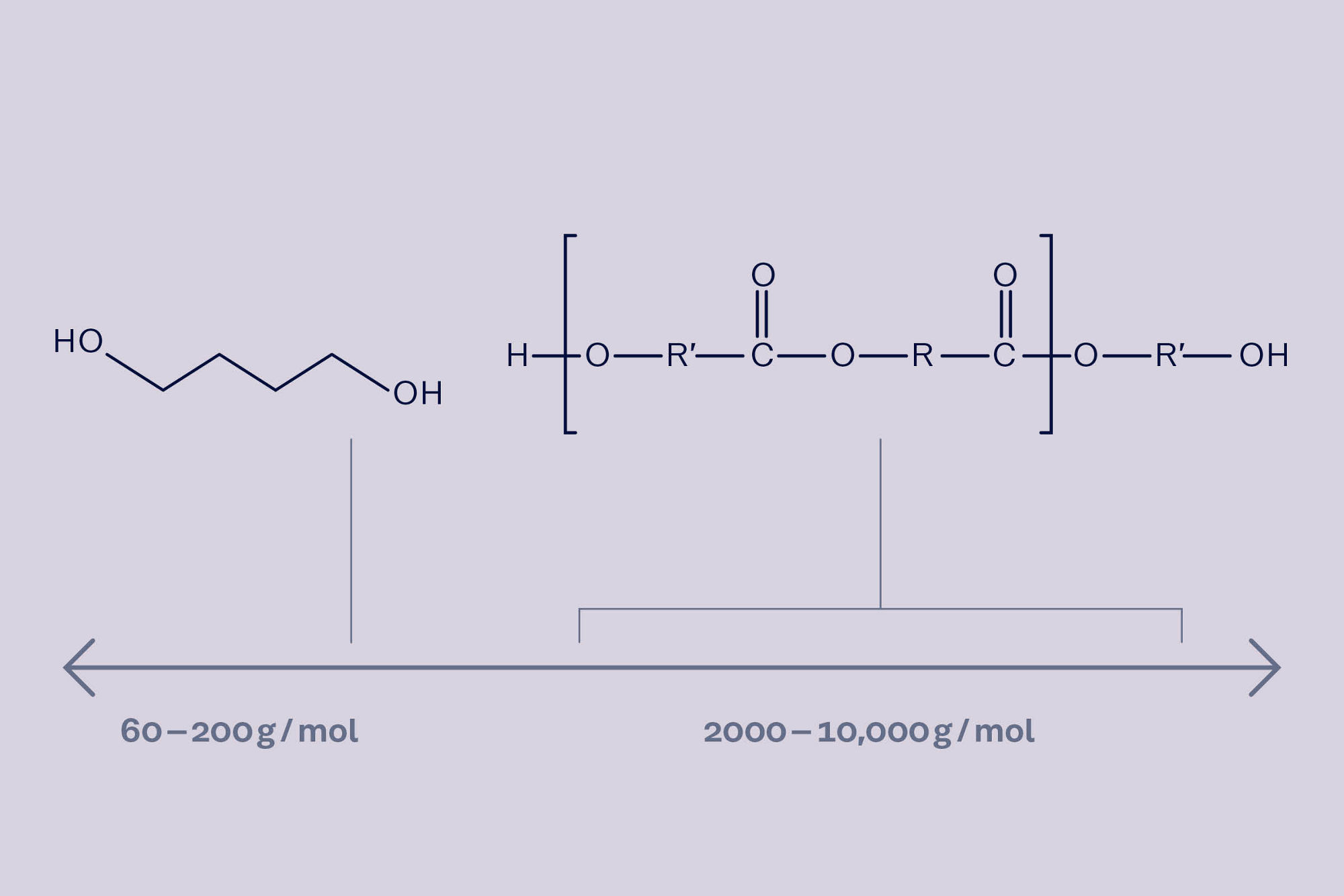
Since the term “polyol” refers to any organic compound with more than one hydroxyl group, it covers a diverse range of materials that can’t be labelled with common properties. While varied in their compositions and applications, most polyols are viscous at room temperature due to the hydrogen bonding of their hydroxyl groups.
Types of polyol by backbone
Polyols are typically grouped according to the chemical composition of their backbone. While polyether and polyester polyols are the most common, making up over 80% of polyol production, other varieties are preferable for specialized or high-performance applications.
Polyether polyols
Polyether polyols are mainly produced through the ring-opening polymerization of cyclic ether (such as ethylene oxide, propylene oxide, or tetrahydrofuran). Common polyether polyols include polyethylene oxide, polyethylene glycol (PEG), polypropylene glycol (PPG), and polytetrahydrofuran (PTMEG).
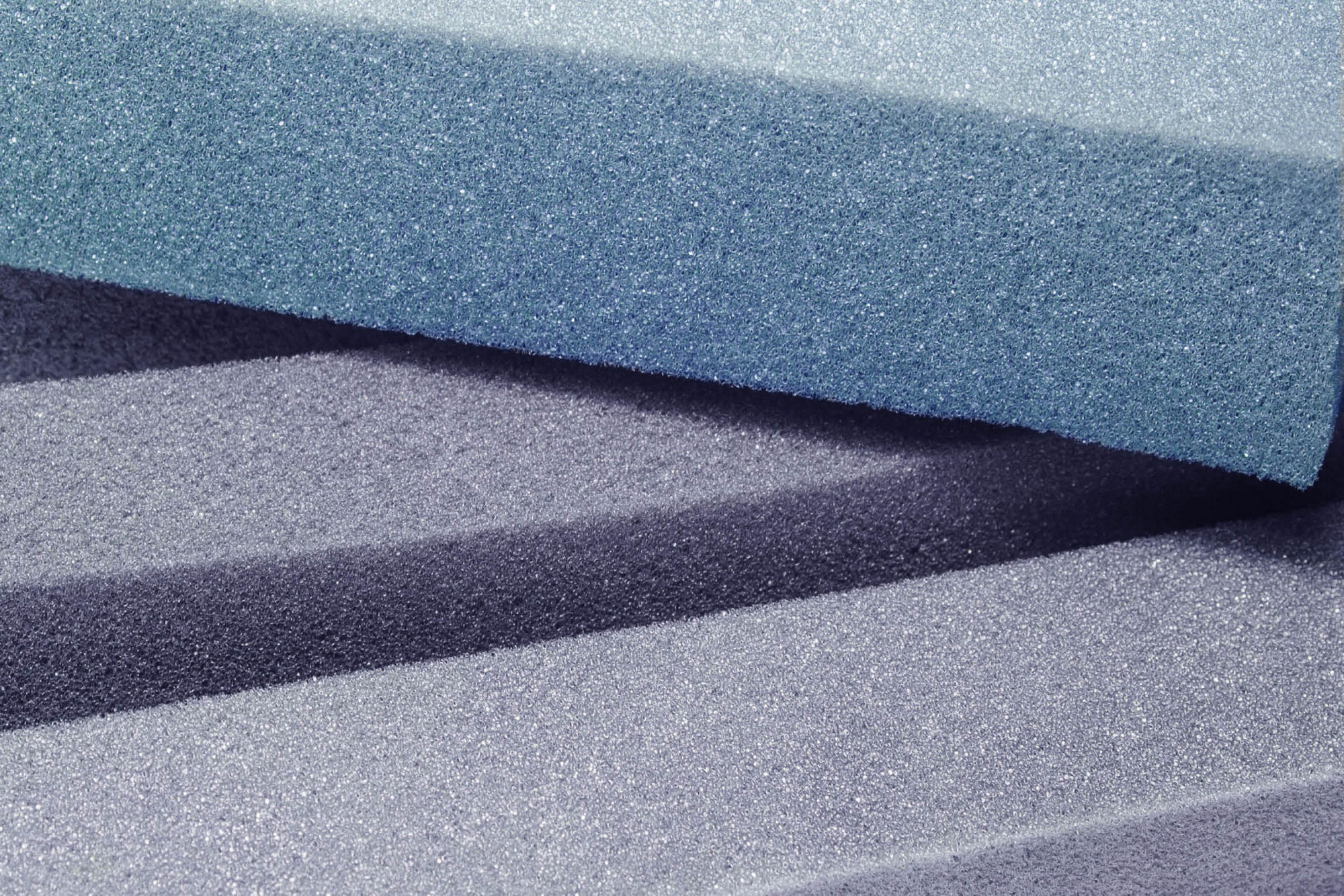
They offer excellent flexibility, elasticity, and resistance to hydrolysis, and their resulting polyurethanes are commonly used in flexible and resilient foams for furniture, automotive seating, bedding, and rigid foams such as spray insulation. Their low viscosity and high processability make polyether polyols a cost-effective option for many polyurethane products.
Polyester polyols
Polyester polyols are produced through the polycondensation of diols and dibasic acids. They may be aromatic (high heat resistance and good adhesion), aliphatic (good flexibility and mechanical strength), or mixed aromatic-aliphatic. Although susceptible to degradation when exposed to water, polyurethanes based on polyester polyols are preferable to polyether when mechanical strength, heat resistance, and chemical resistance are required. As a result, they are often used in high-performance automotive parts, industrial components, construction foams, and coatings.
Polycaprolactone polyols
Polycaprolactone polyols are a special class of polyester polyols produced via the ring-opening polymerization of caprolactone. They provide resultant polyurethanes with enhanced strength, hydrolytic stability, and chemical resistance, combining the structural benefits of polyester polyols with the moisture resistance of polyether polyols.
Polycarbonate polyols
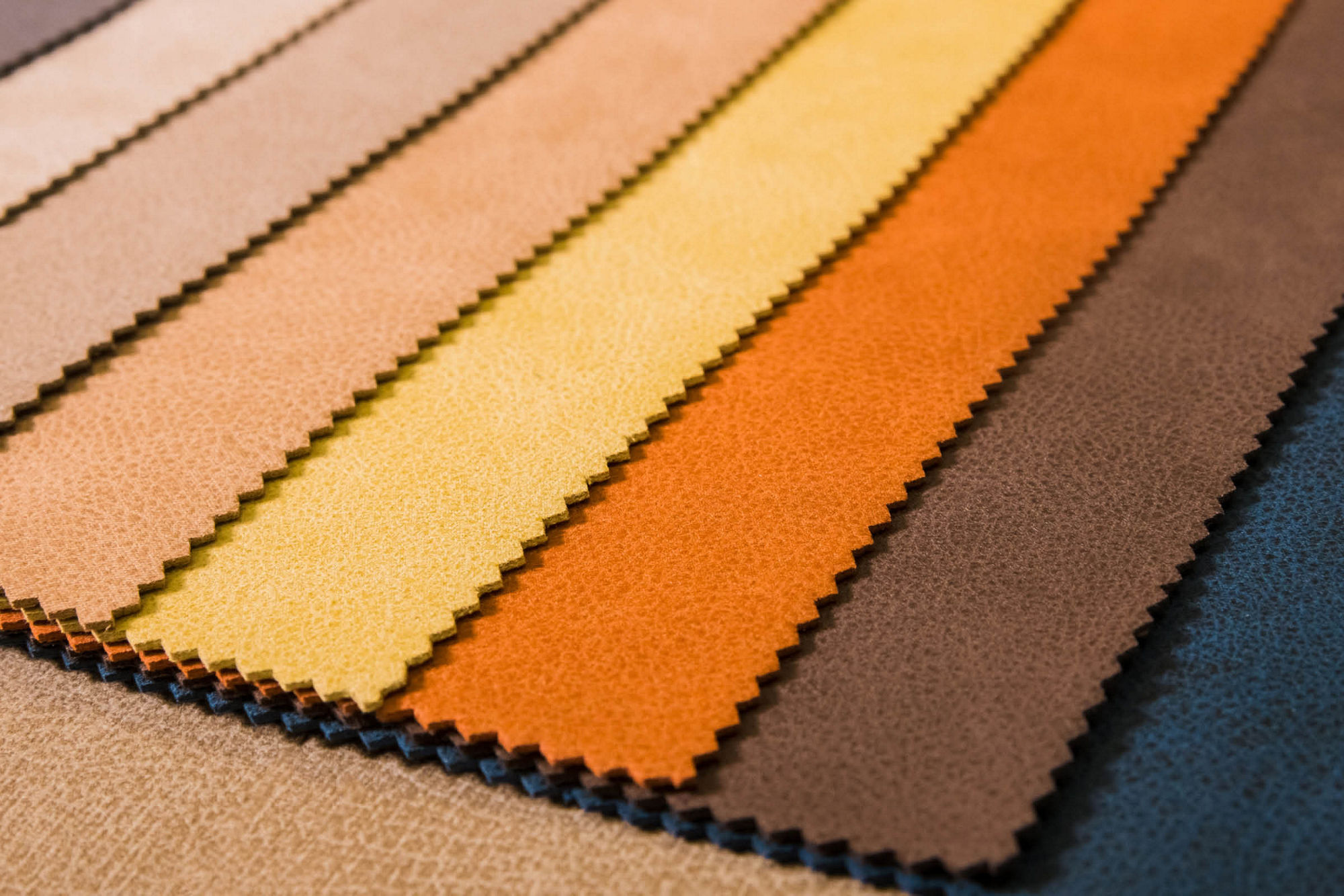
Polycarbonate polyols produce polyurethanes with superior heat resistance, hydrolysis resistance, and mechanical strength. Although more expensive to produce, their excellent properties make them ideal for applications that demand long-term durability, including glass coatings (via isophorone diisocyanate), medical-grade polyurethanes, and high-end synthetic leathers.
Acrylic polyols
Acrylic polyols are produced via the free-radical polymerization of acrylate esters and styrene. Their advantages include superior UV resistance, chemical resistance, and the ability to meet lowering volatile organic compound (VOC) limits. Acrylic polyols are used in high-performance applications that require excellent weathering resistance and low VOCs, including polyurethane vehicle coatings and industrial maintenance finishes.
Polymer (graft) polyols
Polymer polyols, also known as graft polyols, are modified polyether polyols that contain 10% to 50% dispersed solid polymer particles. These specialty polyols are used to produce polyurethane foams with improved load-bearing capacity and compression set for high-use, high-resilience applications such as commercial seating and bedding.
Other polyol backbones
Polyols offer extensive customizability, and many specialty backbones have been developed for niche applications. They include:
- Polybutadiene and polysulfide polyols: Offer good hydrolytic stability and weathering resistance, for use in elastomers and sealants.
- Natural oil polyols: Offer a renewable chemical base derived from vegetable oils, for use in elastomers and molded foams.
- Fluorinated polyols: Offer resistance to degradation due to strong carbon–fluorine bonds and are used in coating applications.
- Phosphorus-containing polyols: Introduce reactive flame-retardant functionality when bonded to the polyurethane matrix, for use as a flame retardant.
Low molecular weight polyols
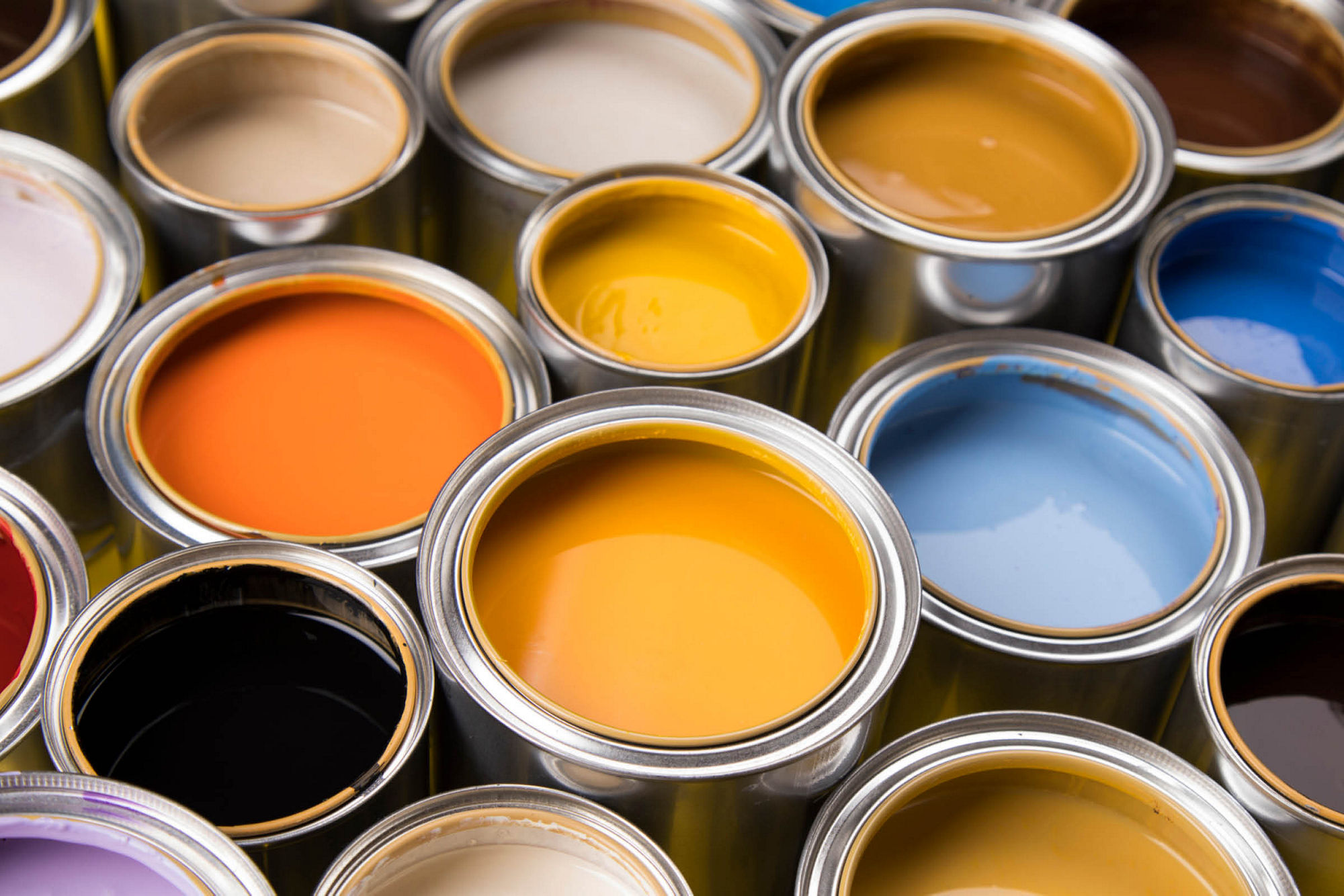
Rather than forming the base of a polyurethane, low molecular weight polyols—including short-chain diols and other low-molecular-weight polyhydric alcohols—serve functions ranging from binder to plasticizer. In polymer chemistry, they are used as crosslinking agents, chain extenders, and plasticizers, as well as precursors to larger polyols. They may also be combined with dicarboxylic acids to produce alkyd resins, which are the dominant binding resin in oil-based coatings and paints. Polyols are also found as humectants in consumer goods, antifreeze in vehicles, and low-calorie sweeteners in foods.
Types of polyols by number of hydroxyl groups
Polyols are sometimes further divided according to the number of —OH groups on each molecule. Diols have two —OH groups, triols have three, and compounds with four or more hydroxyl groups are often grouped under the broader term “polyols.” While a higher number of —OH groups may contribute to more crosslinking, giving more rigid and viscous products, these categories alone are not a reliable indicator of the properties or uses of a polyol, and categorization by backbone is typically more useful.
KURARAY POLYOL: A new, unique class of polyols Request a sample to learn more about our branched, MPD-based polyester, polycarbonate, and tri-functional polyols.
Applications of polyols
The majority of polyol production supports polyurethane manufacturing for use in foams, coatings, adhesives, sealants, and elastomers. Polyols are also used as polymer additives, humectants, and thickeners.
Polyurethane applications
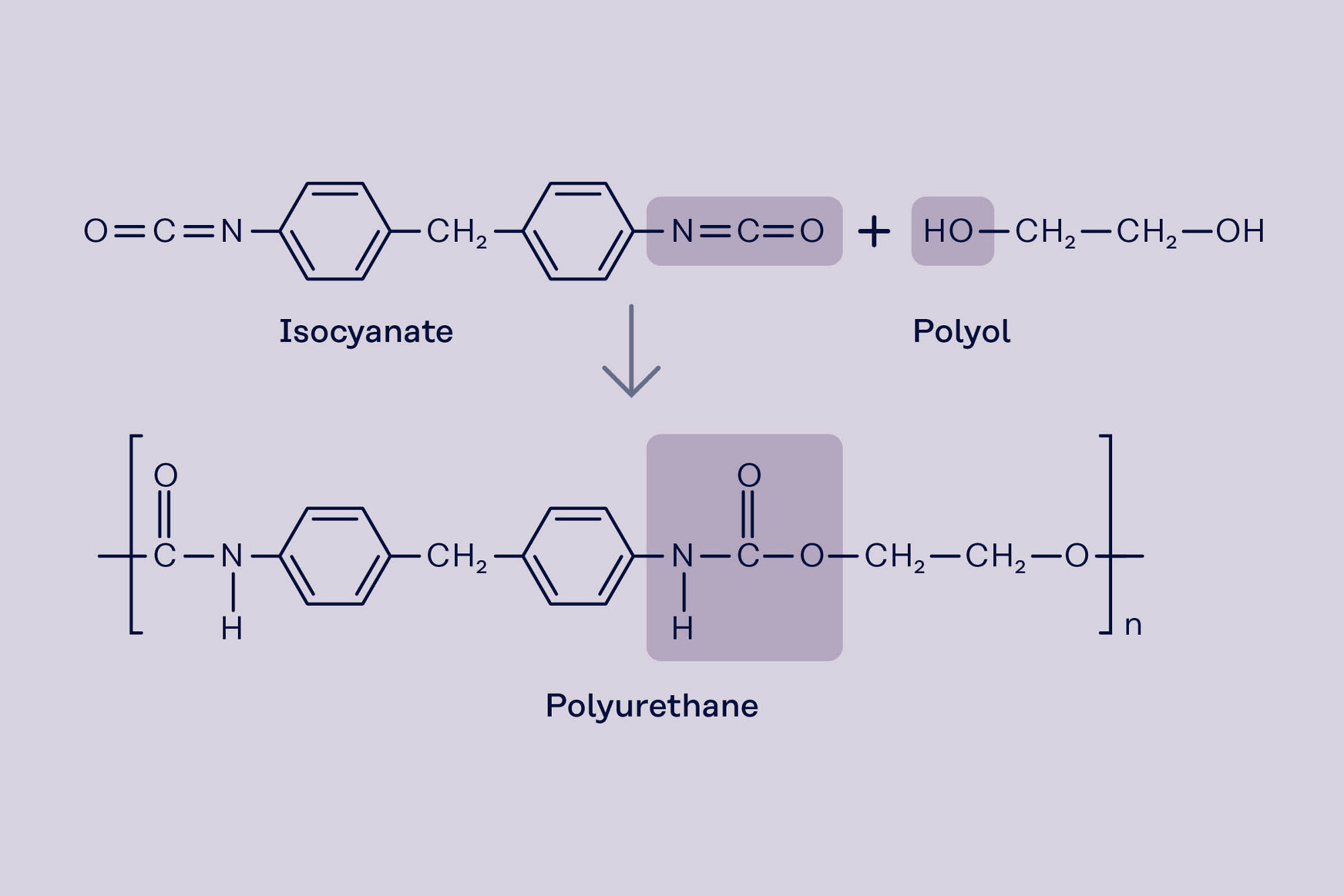
Polyols and isocyanates are combined in a polyaddition reaction to produce polyurethane. This versatile polymer comes in many forms and relies on the base polyol for key mechanical properties.
Foams
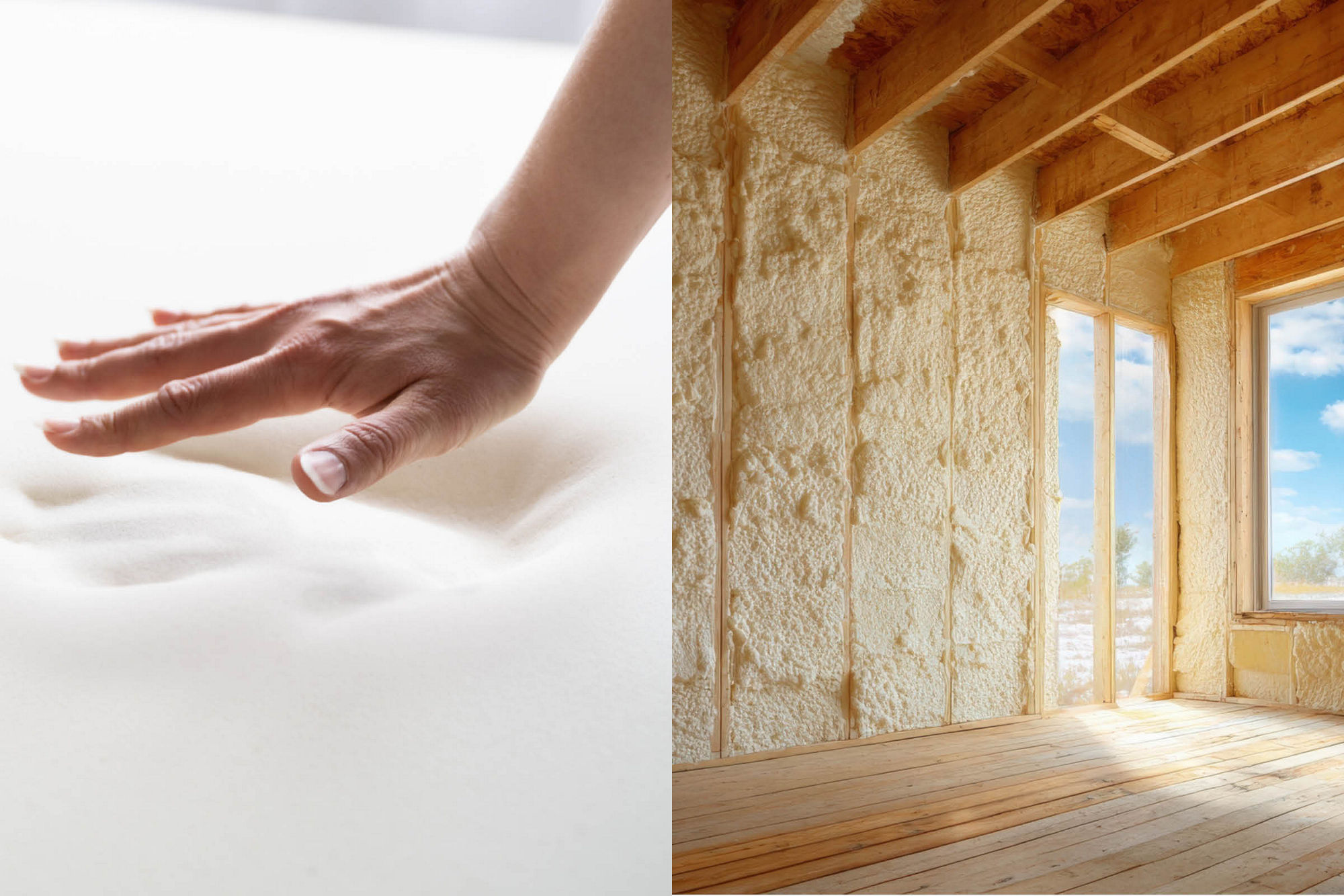
Nearly two-thirds of global polyurethane production is used in the manufacture of polyurethane foams, which can be cast, cut, and even sprayed into shape. Rigid, load-bearing foams produced with low molecular weight polyols are found in the construction, insulation, and automotive industries. Soft and flexible foams produced with high molecular weight polyols are the material of choice for cushioning in mattresses, furniture, and vehicles.
CASE: Coatings, Adhesives, Sealants, Elastomers
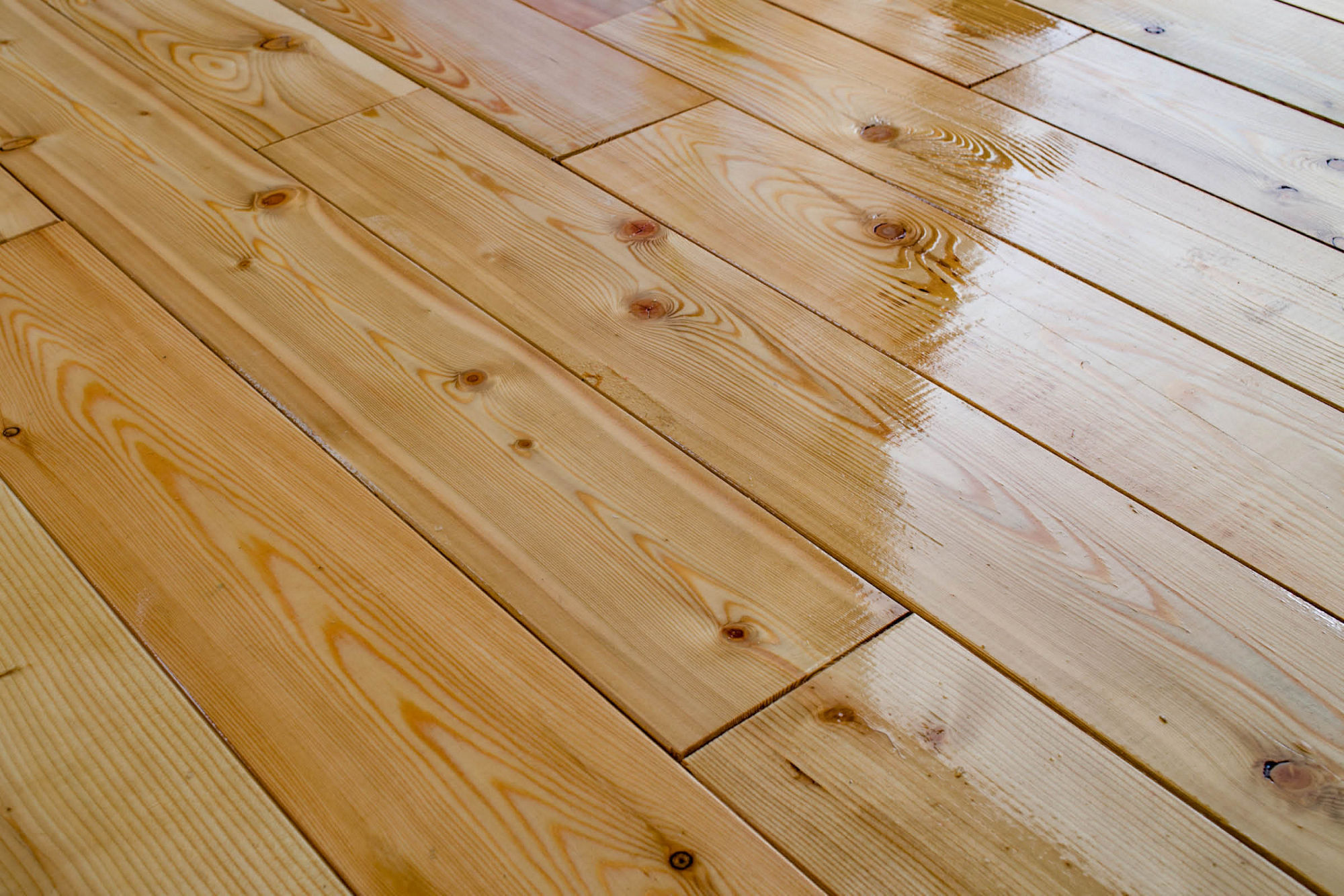
Polyurethane resins, dispersions, and elastomers are ubiquitous in CASE applications that demand durability, UV resistance, or low levels of VOCs. These polyurethane products are common in automotive coatings, flooring finishes, high-performance paints, glues, and more.
Polymer additives
In the production of polyurethane and other polymers, low molecular weight polyols may be added to serve as chain extenders (enhancing elasticity and thermal stability), crosslinking agents (enhancing strength and durability), or plasticizers (enhancing flexibility and durability).
Formulation additives and resin modifiers
Polyols offer a range of properties that can be used to modify liquids and resins. They are used as humectants in inks and cosmetics, solvents in coatings and inks, and antifreeze in vehicles. Polyols are also used to produce alkyd resins, the predominant binder in oil-based paints.
Food additives
Polyols known as sugar alcohols, such as sorbitol and xylitol, can be found naturally or manufactured by hydrogenating sugars. As a low-calorie sugar alternative that does not contribute to tooth decay, they are used as sweeteners in food and chewing gum.
How polyols are used in polyurethane production
Polyols are predominantly used industrially alongside isocyanates in the production of polyurethane. Short chain polyols may also be used as chain extenders or crosslinking agents to fine-tune the properties of polyurethane formulations.
Polyols as building blocks for polyurethanes
Polyols provide the “soft” half of the polyurethane polymer chain, granting the material its flexibility and elasticity. In many polyurethane formulations, polyols are reacted directly with isocyanates, chain extenders, additives, and catalysts in a single step. This straightforward approach to processing is frequently used for high-volume polyurethane production, such as in foams.
Polyols in polyurethane prepolymers
When greater control over the final properties of a material is desired, polyols can be converted into polyurethane prepolymers. In this process, the base polyol is combined with an excess of isocyanate to form an intermediate molecule known as a prepolymer. These isocyanate-terminated polyols can then be cured into the final polyurethane through the addition of chain extenders. Although more complex, this process allows properties like viscosity to be precisely managed, which is valuable in coating, elastomer, and adhesive applications.
Short chain polyols as crosslinking agents
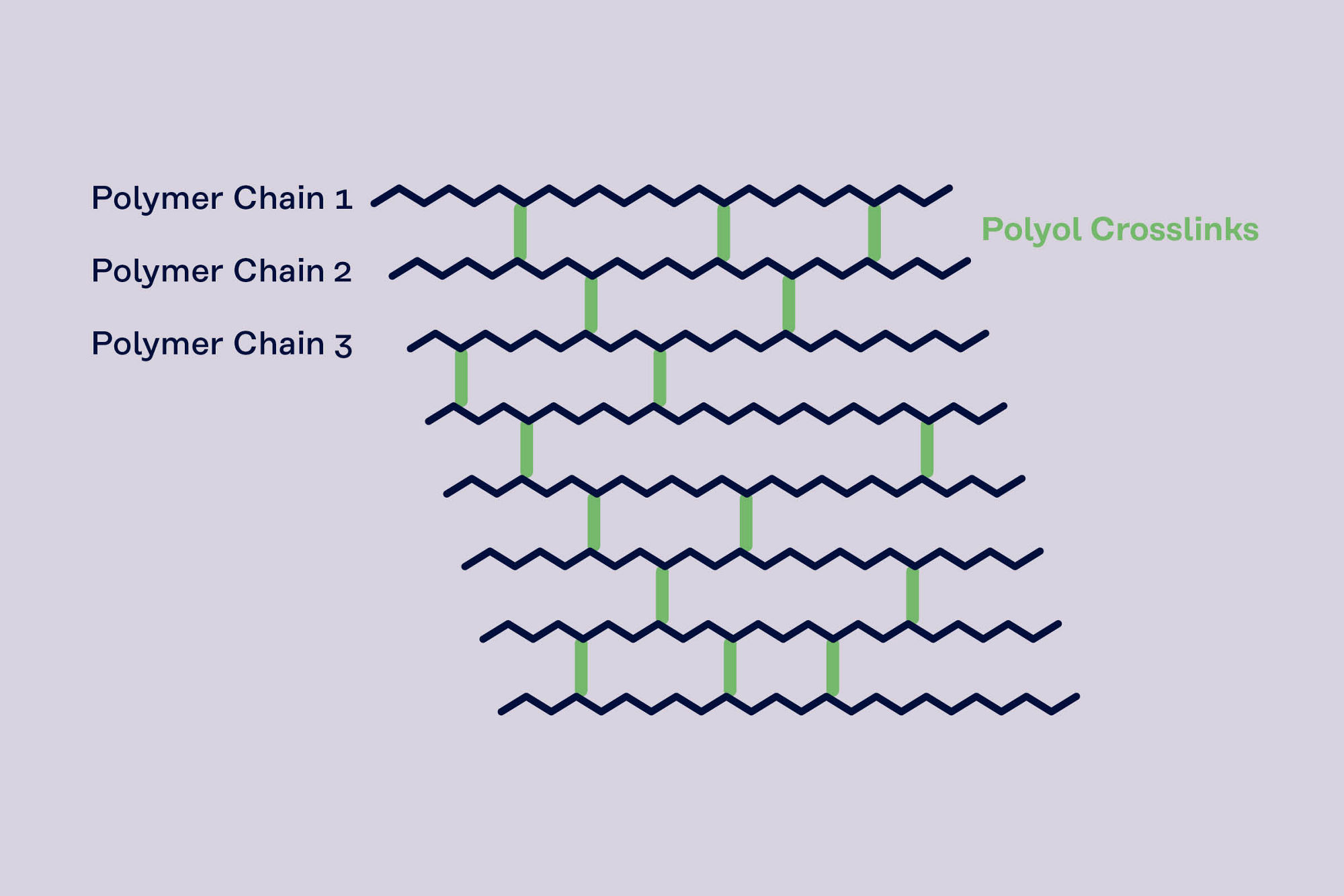
Short chain polyols may be used as crosslinking agents in polyurethane formulation, promoting bonding across multiple polyol chains to increase strength, rigidity, and durability. The addition of crosslinking polyols allows manufacturers to tune the form and properties of the final plastic, from elastic and stretchy (lower crosslinking) to rigid and tough (higher crosslinking).
Short chain polyols as chain extenders
Short chain polyols can be used as chain extenders in polyurethane production. Chain extenders react with isocyanate groups to extend polyurethane chains and increase molecular weight. This generally increases tensile strength, thermal stability, and viscosity. Common chain extenders include ethylene glycol, 1,4-butanediol, and 1,6-hexanediol. Polyol chain extenders are also being tested in polymer systems based on materials, such as recycled polyethylene terephthalate (PET) and polylactic acid (PLA) polymers.
Industries using polyol-based materials
Although primarily used in the production of polyurethane foams, polyols and polyol-based polyurethanes (including thermoset plastics, thermoplastics, resins, and dispersions) are a versatile class of material used across several industries. Common uses include:
Furniture and bedding
Polyurethane foams, including memory foam, are a natural choice for mattresses and seating.
Paints
As resin in oil-based coatings or as polyurethane in high-performance paints.
Polymer formulation
As versatile additives that may serve as chain extenders, crosslinking agents, high-stability plasticizers, and resins.
Coatings and sealants
As polyurethane and polyurethane dispersions (PUDs) in durable finishes, especially for vehicles, floors, and wood finishes.
Adhesives
As polyurethane in adhesives and glues, including woodworking glue.
Automotive
As polyurethane foam or coating in seats, interior padding, synthetic leather, insulation, exterior finishes, rubber bushings, paint protection film (PPF), and more.
Marine
As polyurethane foams and coatings in boat cores, surfboard cores, and deck coatings.
Footwear and apparel
As polyurethane and thermoplastic polyurethane (TPU) in shoe soles, synthetic leathers, elastic adhesive layers, and spandex.
Insulation and construction
As polyurethane foam, which provides superior thermal insulation efficiency for buildings and heating systems. Also as polyurethane sealant, in seals and firestops.
Consumer goods
As polyurethane foam and thermoplastic polyurethane (TPU) in sponges, grips, waterproof laminates, and more.
Electronics
As protective polyurethane foam casings for sensitive electronics and as ink humectants and toner resins in printers, as well as elastic containers for wafer transport (thermoset polyurethane elastomers).
Food and beverage
As low-calorie sweeteners and humectants (for certain food-approved polyols and dependent on regulations).
Cosmetics
As moisture-retaining humectants.
Looking for a high-performance polyol portfolio to meet demanding resilience requirements? Read more about how the branched structure of KURARAY POLYOL can contribute to durability in performance-critical environments.
Occurrence
Polyols are traditionally produced synthetically from petrochemicals, but certain varieties may also occur naturally or be synthesized from bio-based materials.
Polyols in nature
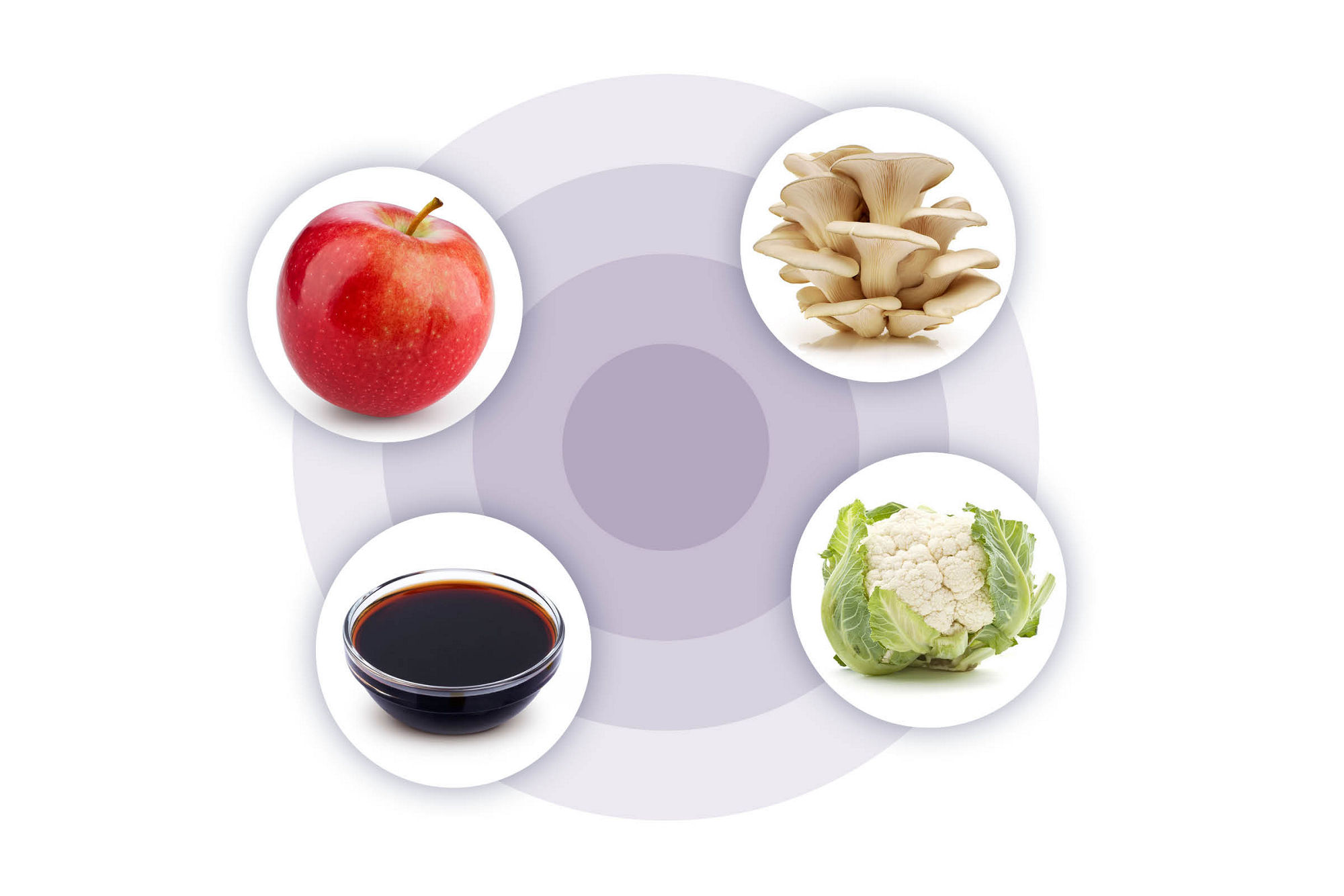
Naturally occurring polyols, or sugar alcohols, can be found in various fruits, vegetables, and fermented foods. A few common examples include sorbitol (in stone fruits, apples, pears, and blackberries), mannitol (in cauliflower, mushrooms, celery, and watermelon), and erythritol (in fermented foods such as wine, miso, and soy sauce). Castor oil, a bio-based polyol, is also naturally occurring.
Synthetic polyols
Most polyols used in industry are produced synthetically. They range from low molecular weight commodities such as glycerol and 1,4-butanediol to high molecular weight polymers up to 10,000 g/mol. Synthetic polyols, such as Kuraray’s branched, MPD-inside KURARAY POLYOL, can be engineered to provide durability for truly demanding applications.
Recycled polyols
Polyurethanes can be depolymerized and recycled into polyols, offering a circular and sustainable end-of-life approach to disposal. Recycled polyols can be produced from most solid foams, including insulation, mattresses, and furniture. Polyols can also be produced from captured CO₂, providing a promising route for carbon capture and utilization (CCU) while reducing reliance on fossil-based feedstocks.
Bio-based polyols
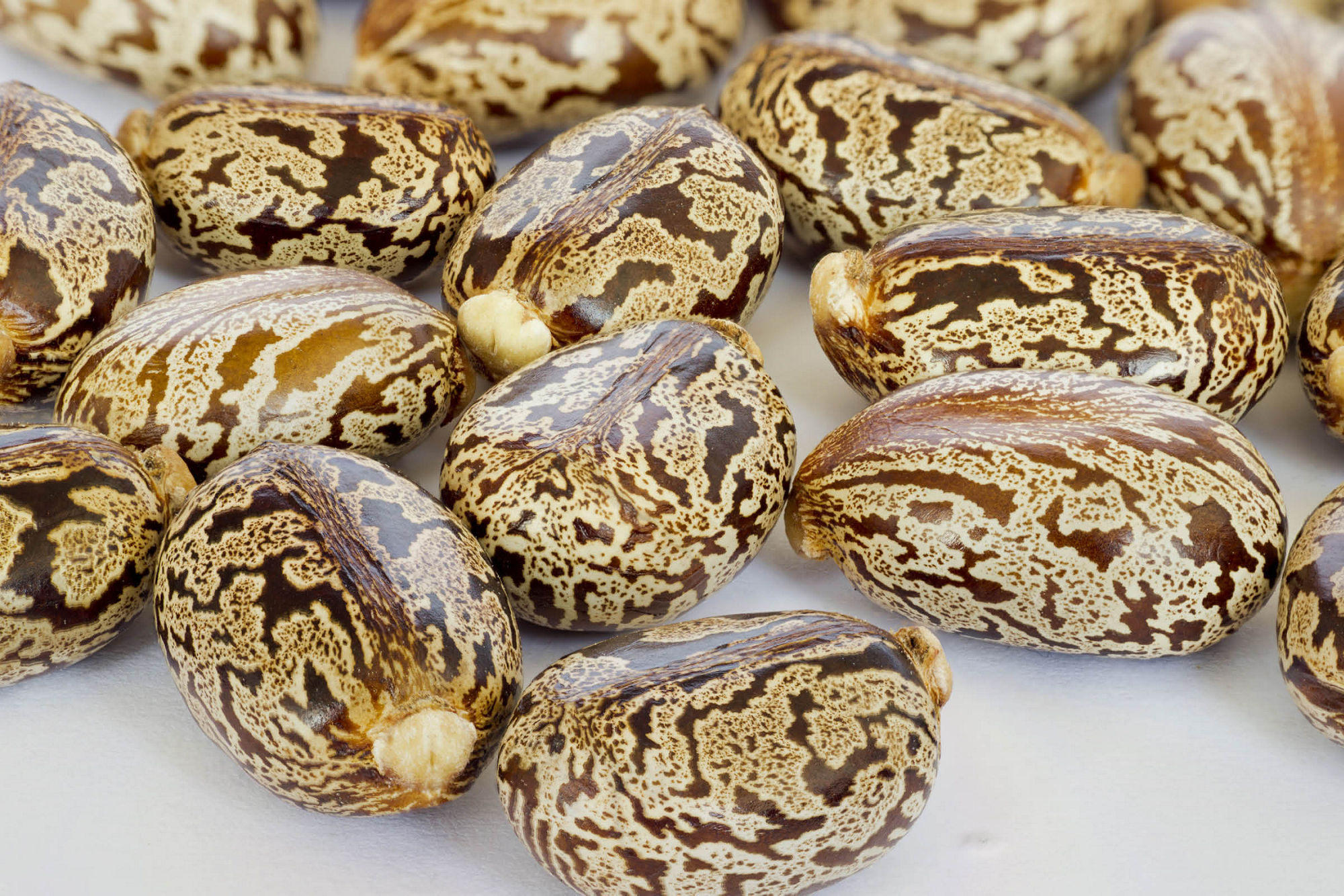
Polyols can be prepared from many natural sources, including seed and vegetable oils (neem, castor, cotton, and more), animal fats, sugars, and biomass (via lignin and cellulose). These polyols, such as KURARAY POLYOL P-**50 series has a bio-based carbon content of approximately 60%, allow for the preparation of more renewable polyurethanes by limiting petrochemical use.
How to select the right polyol
Whether you are selecting a polyol for use as a modifier or as a polyurethane base, consider the key factors below as you make your choice.
Key specifications of polyols
Take these factors into account when choosing a polyol for any application.
OH value
Measures the concentration of reactive hydroxyl groups per gram of sample in mg KOH/g. Higher OH values tend towards more rigid products with lower molecular weight and promote crosslinking. Lower OH values are more suitable for flexible foams, and elastomers.
Functionality
Measures the average number of —OH groups per molecule. Like OH value, higher functionality (f=3 to f=8) promotes crosslinking and leads to rigid or viscous products. Lower functionality (f=2) is preferable when flexibility and flowability are required.
Molecular weight
Typically ranges from 200 to 10,000 g/mol. Low molecular weight polyols with shorter chains will produce more rigid or viscous products, while high molecular weight polyols with longer chains will provide flexibility and elasticity.
Viscosity
A polyol’s viscosity is an important consideration for ease of processing, compatibility with other mixture components, and the final viscosity of a liquid or resinous product.
Glass transition temperature (Tg)
Ensure that the Tg of your selected polyol is appropriate for its intended use case and compatible with all processing steps.
Water content
For non-foamed polyurethane applications, the water content of polyols should be kept as low as possible to prevent undesirable side reactions with isocyanates.
Compatibility
When using a polyol as a polymer additive or co-solvent, confirm its compatibility with any other components your formulation will require.
Color and transparency
For applications that require transparency or colorability, consider the appearance of the polyol.
Key specifications of polyols in polyurethanes
Each polyol features a unique set of strengths and weaknesses that it may pass on to the final polyurethane product. Evaluate the following key performance characteristics of your application and choose a polyol that meets your needs.
Material considerations for the final polyurethane may include:
Flexibility
Applications including soft foams and footwear may prioritize polyols that produce flexible polyurethane.
Transparency
Clear coatings and consumer goods require transparent polyurethanes.
Toughness
High-stress polyurethane applications, such as industrial insulation and high-performance coatings, may require polyols that enhance toughness.
Softness
Soft-touch applications for consumer goods, including bedding and footwear, may select polyols that provide enhanced softness, cushioning and comfort.
Solvent compatibility
Polyols selected for use in any application, especially polyurethane dispersions (PUDs), must be compatible with other solvents included in the formulation.
VOC targets
When VOC emissions would be hazardous to users, such as in wood and flooring coatings, certain polyols offer a way to lower or eliminate VOCs in formulations.
Adhesion strength
When used in adhesives such as wood glues, conformal coatings and lamination adhesives, adhesion strength is a key consideration.
Bio-based content
When bio-based content is preferred or required, bio-based polyols can enable polyurethane formulations containing renewable raw materials.
Durability considerations for the final polyurethane may include:
Hydrolysis resistance
Products that are exposed to water or weather, such as sealants and automotive coatings, require excellent hydrolysis resistance.
Heat resistance
Polyurethanes used in industrial parts, automotive components, and other high-temperature applications may require polyols that contribute to heat resistance.
Low temperature resistance
Products that must withstand the stresses of low temperatures, such as cracking and thermal cycling, include automotive parts and performance-critical components in aircraft and spacecraft.
UV resistance
Products that are exposed to sunlight—paints, coatings, and automotive interiors, for example—should plan for UV resistance, especially when appearance is a consideration.
Chemical resistance
Industrial and automotive components, ranging from rubber bushings to sealants, require resistance to chemicals and oils.
In practice, each application requires balancing multiple performance characteristics. The examples above highlight common priorities, not the only relevant selection criteria.
Business considerations for the final polyurethane may include:
Availability and supply chain security
Assess the availability and consistency of any polyols that your formulation may require.
Cost
For general-purpose applications, cost-effective polyols may be preferred. For high-performance applications, it will be necessary to balance cost against superior product quality.
Processability
Lower molecular weight polyols with low viscosity reduce heating and mixing requirements during processing, saving energy and limiting costs.
Ready to choose the right polyol for your formulation? Request a sample to learn more about our polyols for specialty applications.
The example: KURARAY POLYOL
In the world of polymer science, synthetic polyols are the precision-engineered building blocks used to design high-performance polyurethane systems. Unlike standard commodities, specialized polyol variants allow for precise control over molecular geometry, enabling chemists to build specific traits into a resin’s DNA.
KURARAY POLYOL includes polyester and polycarbonate polyol grades based on MPD (3-methyl-1,5-pentanediol). While traditional polyols rely on linear chains that easily lock into a crystalline state, KURARAY POLYOL is built on the amorphous logic of the MPD (3-methyl-1,5-pentanediol) molecule.
By integrating this “architect” into the polyol backbone, we create a stable, liquid architecture. This ensures the polyol remains processable at room temperature and prevents the unwanted crystallization that often plagues standard polyester and polycarbonate systems.
Features
The benefits of architecture from KURARAY POLYOL begin with the architect: the high-purity MPD base. The branched architecture of this C3 methyl-substituted C5 diol disrupts lattice formation.
The result is a permanently amorphous structural intermediate, with the MPD monomer remaining liquid as low as –50°C.
MPD-inside KURARAY POLYOL delivers low viscosity at room temperature and excellent softness, processability, flow, and clarity. Through steric shielding provided by the C3 methyl group, KURARAY POLYOL architectures excel in performance-critical systems through exceptional hydrolysis resistance and durability. To fit your formulation, our versatile range of grades and functionalities provides compatibility with many solvents and polyols.
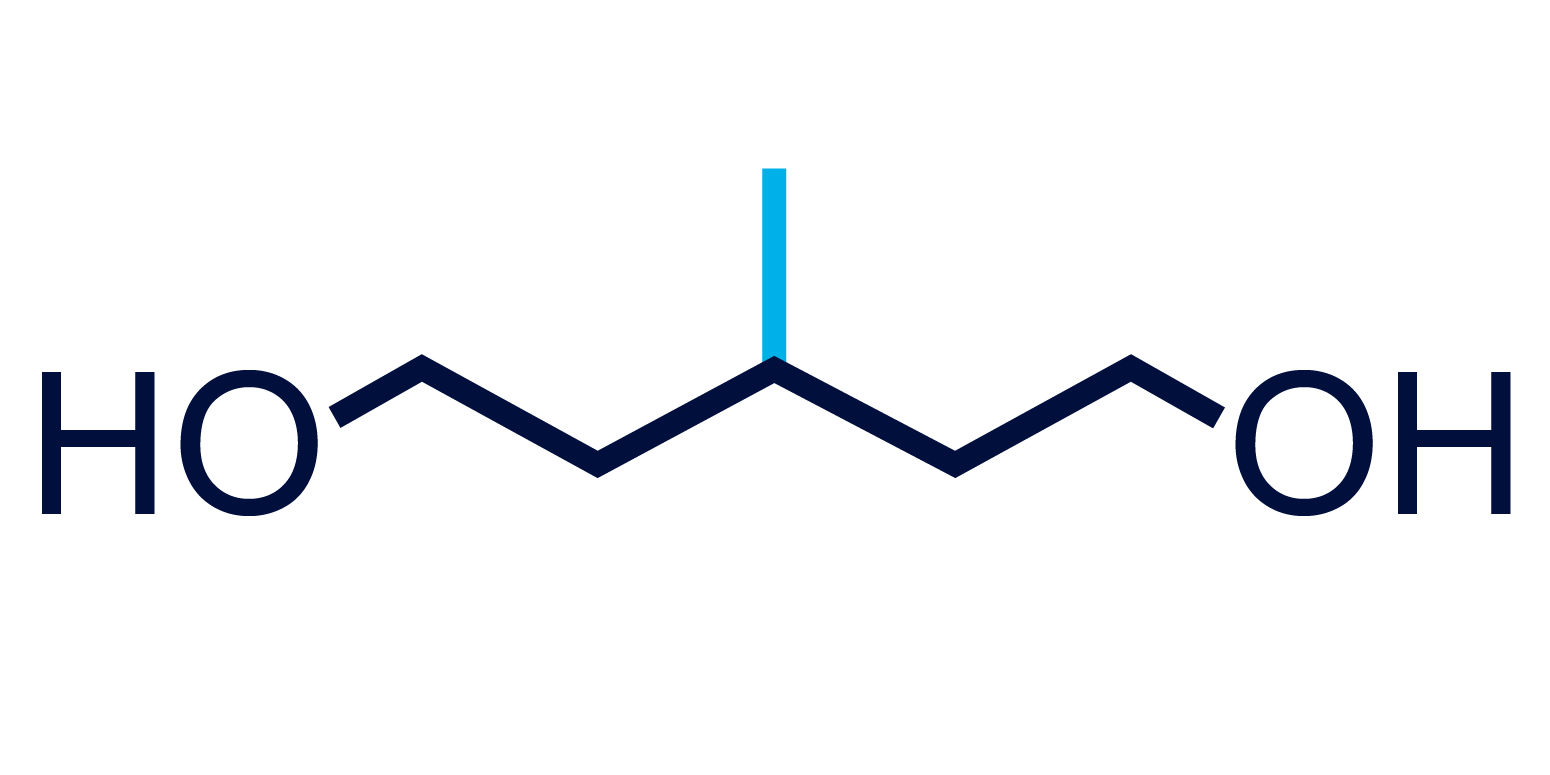
3-methyl-1,5-pentanediol
(MPD from Kuraray)
For a durable polyol with superior hydrolysis resistance, Kuraray leverages the odd-carbon effect with ND (1,9-nonanediol). With a melting point of 46°C, 26°C lower than 1,10-decanediol and just 4°C higher than conventional 1,6-hexanediol, ND from Kuraray achieves high-performance durability without sacrificing processability.
KURARAY POLYOL: Value added to PU applications
The integration of KURARAY POLYOL into polyurethane formulations fundamentally shifts the performance ceiling of the final resin. By replacing standard, crystalline-prone building blocks with our amorphous molecular logic, formulators eliminate the traditional trade-off between ease of processing and long-term durability. In PU systems, our polyols act as the high-stability framework that ensures the polymer backbone remains flexible and resilient under extreme mechanical stress.
Because KURARAY POLYOL possesses a unique branched structure, it provides superior hydrolytic stability and weather resistance, shielding the PU matrix from moisture-driven failure and environmental degradation. This “engineered resilience” means that PU resins built on a Kuraray foundation maintain their mechanical integrity and optical clarity even in performance-critical environments, balancing performance critical performance properties beyond what is typically possible with conventional polyether or polyester systems.
KURARAY POLYOL architecture leverages its MPD backbone to achieve superior water resistance to conventional polyester polyols, better abrasion resistance than polyether polyols, and higher heat resistance than PTMEG-based systems. To succeed in any performance-critical environment, our various grades and functionalities also offer excellent adhesion, low temperature resistance, acid resistance, alkali resistance, solvent resistance, and UV resistance.
| Performance characteristics | Polyether (conv.) | Polyester (conv. PBA) | KURARAY POLYOL Adipate (MPD-inside) | KURARAY POLYOL Terephtalate (MPD-inside) | Solid polycarbonate (conv.) | KURARAY POLYOL C-series (MPD-inside) |
|---|---|---|---|---|---|---|
| Structural flexibility | ●●●● Excellent | ●●●○ Good | ●●●● Excellent | ●○○○ Limited | ●●○○ Fair | ●●●○ Good |
| Low-temp. resilience | ●●●● Excellent | ●●○○ Fair | ●●●● Excellent | ●○○○ Limited | ●●○○ Fair | ●●●● Excellent |
| Hydrolysis resistance | ●●●○ Good | ●○○○ Limited | ●●●○ Good | ●●●● Excellent | ●●●● Excellent | ●●●● Excellent |
| Acid and alkali resistance | ●●●○ Good | ●○○○ Limited | ●●●○ Good | ●●●● Excellent | ●●●● Excellent | ●●●● Excellent |
| Optical clarity | ●●●○ Good | ●○○○ Limited | ●●●● Excellent | ●●●● Excellent | ●○○○ Limited | ●●●● Excellent |
| Solvent stability | ●○○○ Limited | ●●●○ Good | ●●●○ Good | ●●●● Excellent | ●●●○ Good | ●●●○ Good |
| Thermal stability | ●○○○ Limited | ●●●● Excellent | ●●●○ Good | ●●●● Excellent | ●●●● Excellent | ●●●○ Good |
| Photo-stability (UV) | ●○○○ Limited | ●●●● Excellent | ●●●● Excellent | ●●●○ Good | ●●●● Excellent | ●●●● Excellent |
| Interfacial adhesion | ●○○○ Limited | ●●●○ Good | ●●●● Excellent | ●●●● Excellent | ●●○○ Fair | ●●●○ Good |
Specialty applications & industries
Kuraray solutions offers a portfolio of advanced materials, including MPD, ND, and KURARAY POLYOL, delivering the unique combination of resilience and performance required for specialty applications.
Polyurethane (PU) applications

Polyurethane dispersions (PUD)
Where low-VOC PUDs with powerful adhesion are required, MPD-inside KURARAY POLYOL delivers adhesion comparable to conventional solvent-based systems while enabling a water-based, low-viscosity dispersion that maintains integrity even under extreme hydrolytic stress. The result is a strong and versatile PUD used in synthetic leathers, industrial adhesives, and high-performance coatings.

Automotive and electronics
KURARAY POLYOL C-series builds highly durable conformal coatings that can survive extreme thermal cycling and high-humidity environments. KURARAY POLYOL maintains elasticity down to –40°C and is engineered to protect sensitive electronics with superior adhesion to copper and polyimide.

Soft-touch consumer products, wearables, and industrial components
In soft thermoplastic polyurethane (TPU) applications, KURARAY POLYOL enables TPU grades with Shore A hardness below 80 while maintaining excellent durability and chemical resistance—without the need for external plasticizers. By eliminating external plasticizers, it avoids issues such as plasticizer migration and the long-term deterioration of mechanical properties, resulting in soft, durable TPUs with lasting performance. MPD-inside KURARAY POLYOL meets the challenge of both high-use consumer products (including soft phone covers, smartwatches, insoles, and midsoles) and high-durability industrial components (including seals, gaskets, tubing, films, and conveyor belts).
Non-polyurethane applications

Printing
As a high-purity, amorphous branched diol, MPD acts as an ideal carrier co-solvent and humectant for aqueous inkjet formulations, balancing excellent nozzle wetting with rapid drying. Unlike traditional options, it offers a high boiling point (249°C), excellent viscosity stability, and superior pigment dispersion for high print quality and clogging prevention.
Request a sample today Don’t compromise between ease of processing and long-term durability—engineer your formulation’s foundation with the molecular logic of KURARAY POLYOL. Discover how KURARAY POLYOL grades can support the processing and performance requirements of specialty applications. Request a trial sample today and put the architecture of resilience to the test.
Conclusion
Polyols are a varied and versatile class of materials that determine the key properties of a product in many of their applications.
Explore our product

KURARAY POLYOL – Architecture of resilience. Built to endure.
Mitigating hydrolytic degradation at the molecular level to ensure long-term system integrity.