
Resolving the humectant paradox for high-speed digital printing
The digital printing sector is rapidly transitioning to eco-friendly, water-based (aqueous) inks to support flexible, on-demand processes without printing plates. However, formulators face a mathematically unforgiving challenge: The humectant paradox.
Water is inherently difficult to evaporate, slowing down factory productivity. Yet, forcing rapid drying causes the ink inside the printhead to dry prematurely, leading to severe nozzle clogging. Traditional high-boiling humectants—such as Glycerol (a triol) or standard PG—prevent clogging but introduce catastrophic side effects: they slow substrate drying, drastically spike viscosity, and cause unstable rheology that ruins print clarity.
MPD
(3-methyl-1,5-pentanediol)

PG
(Propylene Glycol)

Glycerol

Figure 1: Molecular architecture
The C3-methyl branch of MPD introduces steric hindrance, fundamentally distinguishing its physical behavior from highly symmetrical linear diols and hydrophilic triols like glycerol.
The Kuraray’s solution: Precision rheology and dispersion
The humectant paradox. Resolved.
MPD is engineered to serve as a high-performance humectant, providing the ultimate balance between nozzle humidity control and rapid substrate drying.
- Optimized drying via balanced hydrophobicity: Like traditional humectants, MPD features a high boiling point (249°C) to keep the nozzle wettable. However, its unique C3-methyl branch imparts moderate hydrophobicity, significantly reducing its interaction with water once jetted to accelerate substrate drying.
- De-agglomeration & pigment dispersion: The branched architecture of MPD allows the molecule to physically slip between water-soluble polymer binders and pigment particles. This mechanism actively loosens agglomeration, effectively reducing overall ink viscosity and drastically improving pigment dispersion.
Mastering high-shear jetting integrity
Piezoelectric printheads subject inks to extreme shear rates. Under these conditions, standard humectants fail mechanically. MPD guarantees printhead stability:
- Shear-stable newtonian flow: MPD resists the extreme viscosity fluctuations seen in Glycerol under thermal and mechanical load, maintaining a predictable, flat rheological profile up to 100,000 s-1.
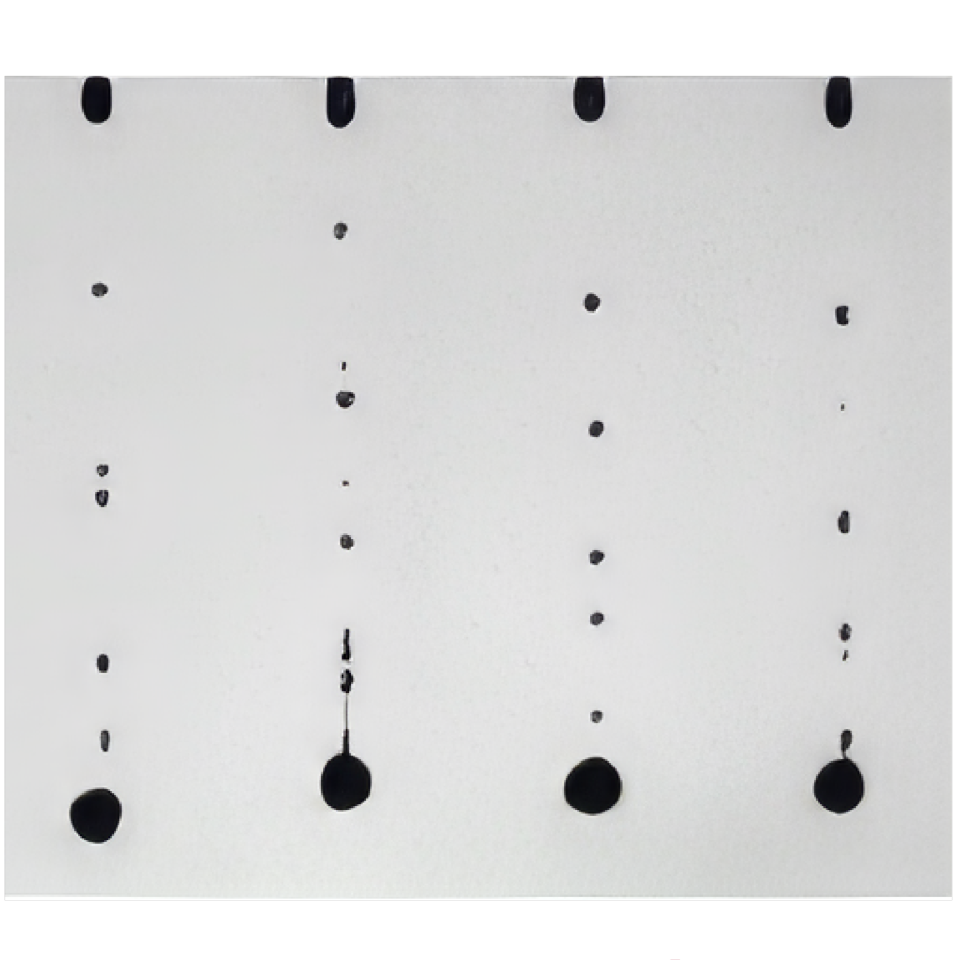
- Satellite drop suppression: By maintaining absolute rheological stability, MPD suppresses the formation of satellite drops, guaranteeing sharp, high-density print quality at maximum production speeds.
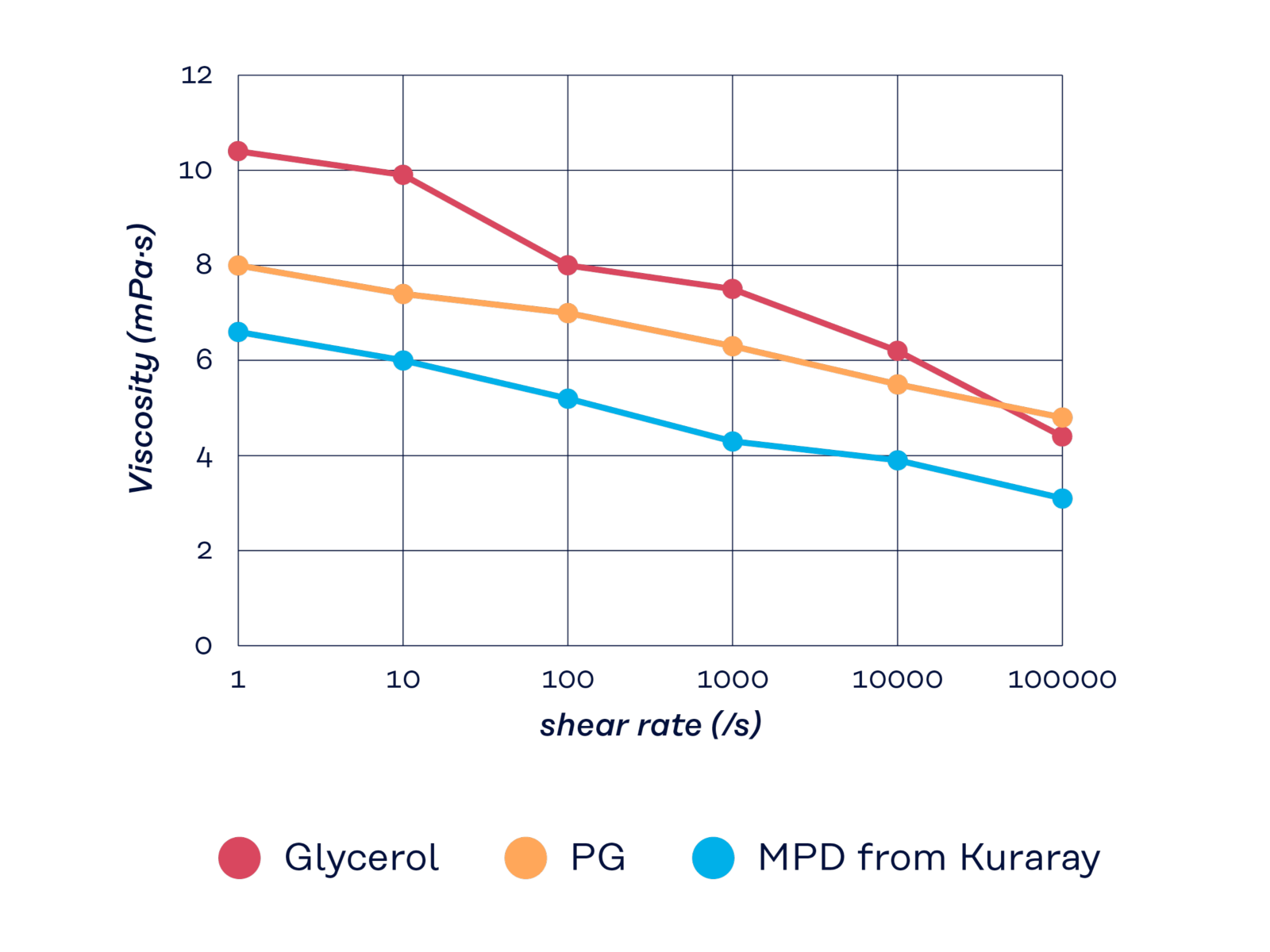
Figure 2: Rheological stability benchmark
Unlike standard humectants (such as Glycerol) which exhibit erratic viscosity under load, MPD maintains a predictable, shear-stable Newtonian flow even at extreme shear rates (105 s-1), ensuring precise printhead control.
Glycerol: Many satellites
MPD: Few satellites
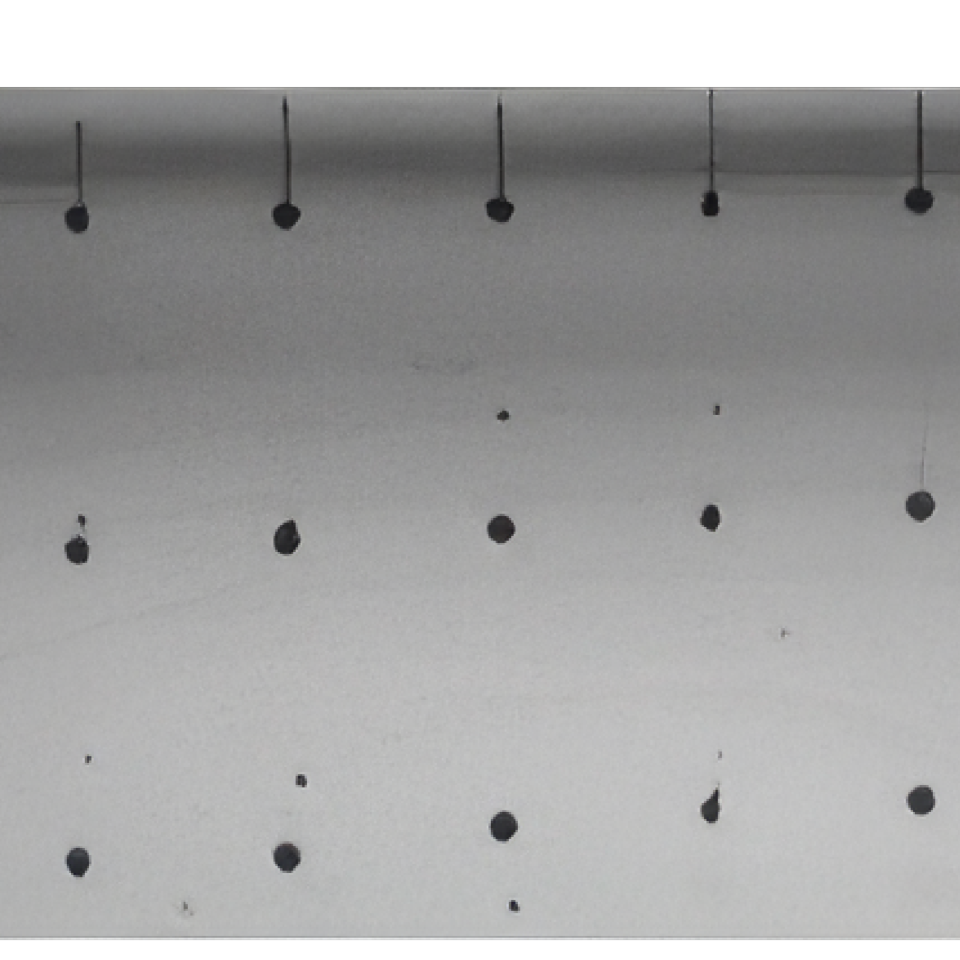
Figure 3: High-speed jetting integrity
The direct physical result of rheological stability. MPD (right) effectively suppresses satellite drop formation compared to Glycerol (left), eliminating print blurring and enabling flawless high-speed deposition.
Technical DNA: Benchmarking inkjet humectants
The following technical summary benchmarks MPD from Kuraray against industry-standard humectants. Note how the C3-methyl branch resolves the historical trade-off between high boiling points and viscosity instability under load.
| Property | Standard glycerol | Propylene Glycol (PG) | MPD from Kuraray |
|---|---|---|---|
| Boiling point | 290°C | 188°C | 249°C |
| Viscosity stability | Poor (unstable under shear) | Moderate | Excellent (newtonian flow) |
| Pigment dispersion | Poor (prone to agglomeration) | Moderate | Superior (steric separation) |
| Drying speed | Slowly | Moderate | Quickly |
| Jetting quality | High satellite formation | Variable | Satellite suppression |

Architect your next generation of high-performance systems
Stop compromising between processing efficiency and long-term material durability. Leverage Kuraray’s expertise in molecular design to master your most demanding structural and rheological constraints.