The engineering conflict: Processing vs. performance
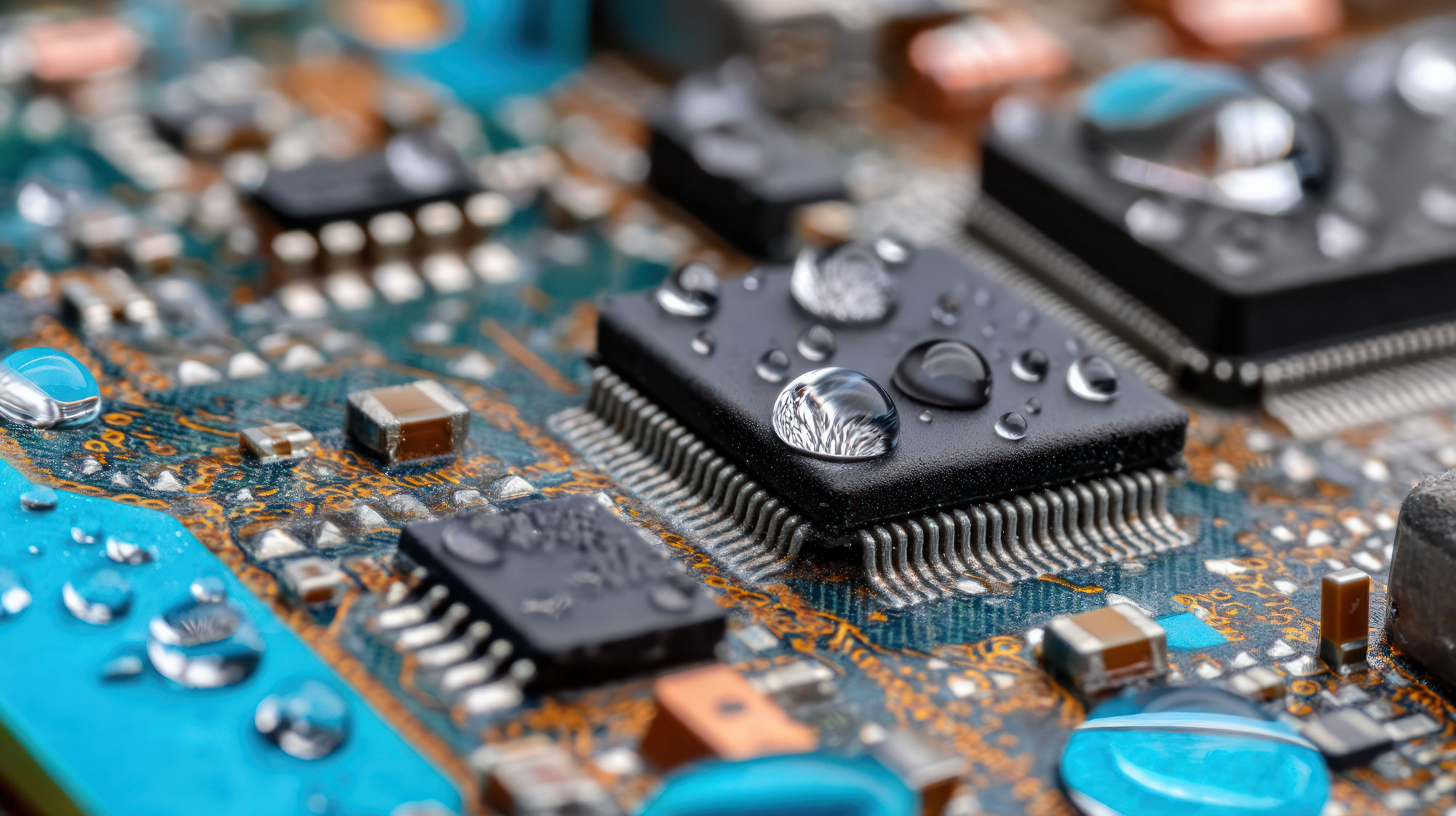
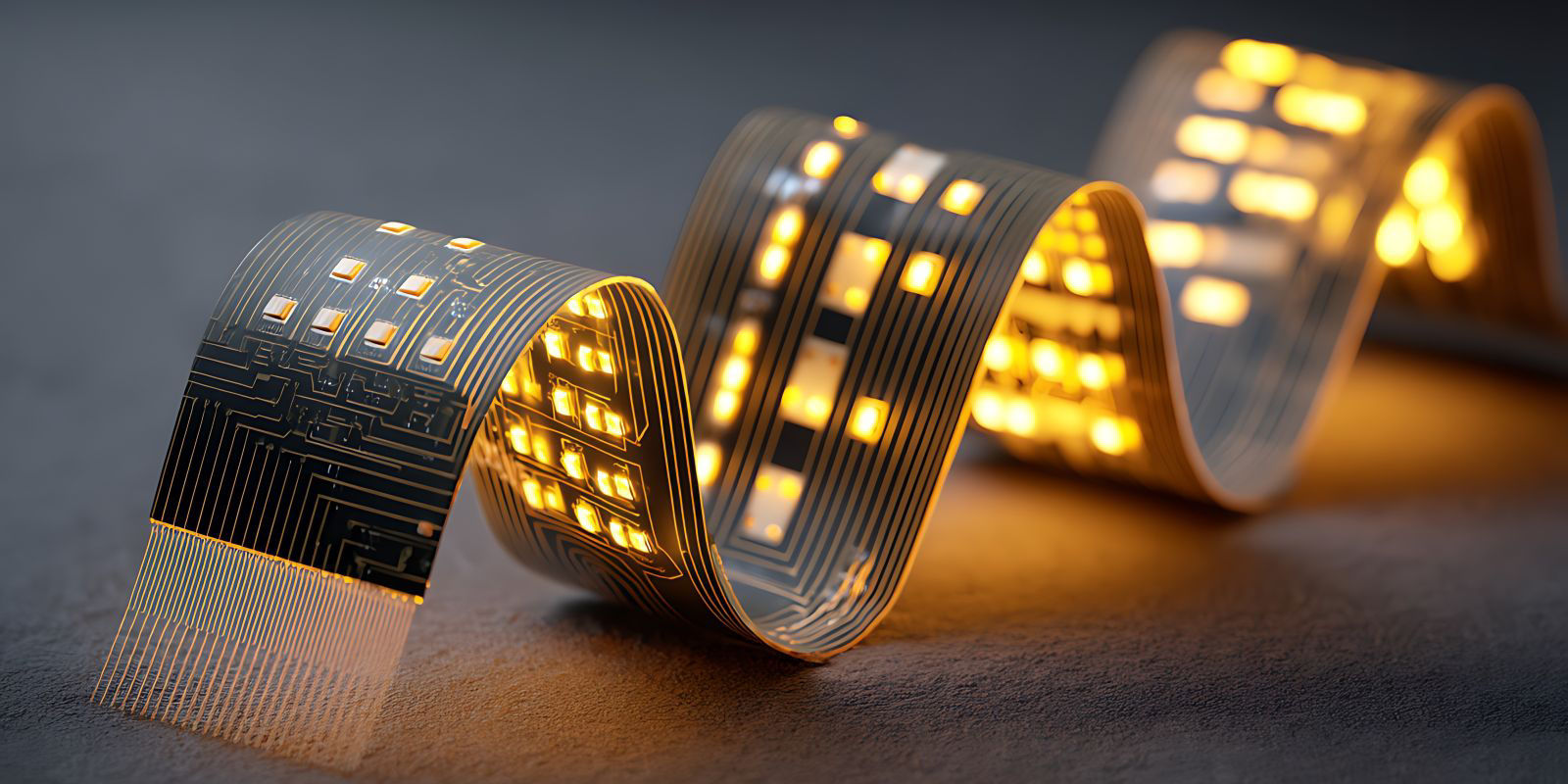
In automotive and aerospace applications, conformal coatings must survive a brutal duality: extreme thermal cycling and high-humidity environments. Historically, achieving high thermal shock resilience required high-molecular-weight resins that spiked viscosity, necessitating the use of solvents or compromising on coating thickness. Furthermore, standard polycarbonate polyols (PHC) often fail to maintain adhesion on the low-surface-energy substrates typical of Flexible Printed Circuits (FPC), such as polyimide and copper.
The Kuraray’s solution: Resolving the trade-off
Circuit resilience. Uncompromised.
By utilizing Kuraray’s unique MPD-based branched architecture, KURARAY POLYOL (C-series) resolves the conflict between liquid handling and field reliability.
- Optimization of processing rheology: The inherent disruption of the carbon chain at the C3 position ensures intrinsic liquidity. KURARAY POLYOL C-2090 provides a 62% reduction in viscosity compared to standard solid polycarbonate diols (PHCs), allowing for solvent-reduced or solvent-free formulations.
- Specialized adhesion to copper and polyimide: While legacy polyols struggle with delamination on FPC materials, KURARAY POLYOL is engineered for substrate compatibility. Our MPD-based backbone provides superior initial adhesion to copper (Cu) and polyimide (PI).
- Thermal shock resilience without brittleness: The amorphous structure maintains rubbery elasticity down to -40°C. It prevents micro-cracking during rapid transitions to +90°C and above, successfully surviving 100+ extreme thermal shock cycles without compromising the moisture barrier.
Performance validation: Quantifying the PHC breakthrough in urethane acrylates
The following benchmarks prove how C-2090’s molecular design slashes viscosity as urethane acrylate while simultaneously securing superior Cu/PI adhesion and full thermal cycle resilience.
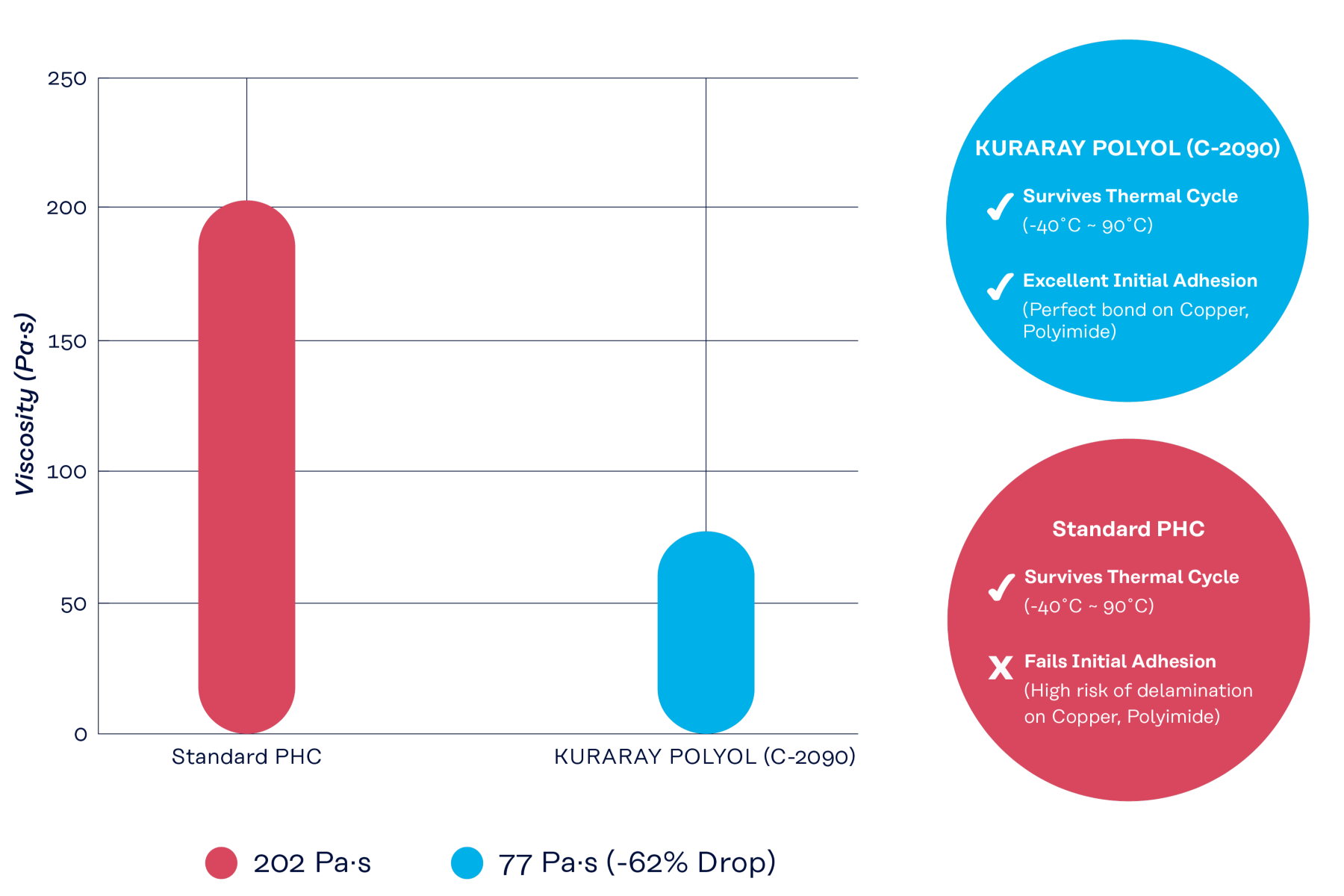
Figure 1: C-2090 | Beyond the PHC trade-off
Its molecular design delivers a 62% viscosity reduction as urethane acrylate. Unlike standard PHCs, C-2090 secures superior Cu/PI bonding without sacrificing critical thermal cycle resilience (-40°C to 90°C).